Alameda is an international institute set up in response to the catastrophic threats now on humanity’s horizon – ecological collapse, large-scale or nuclear war, generalised social and economic disintegration. In connection with grassroots organisations, we conduct research and analysis that can contribute to the construction of pathways to another, more favourable future.
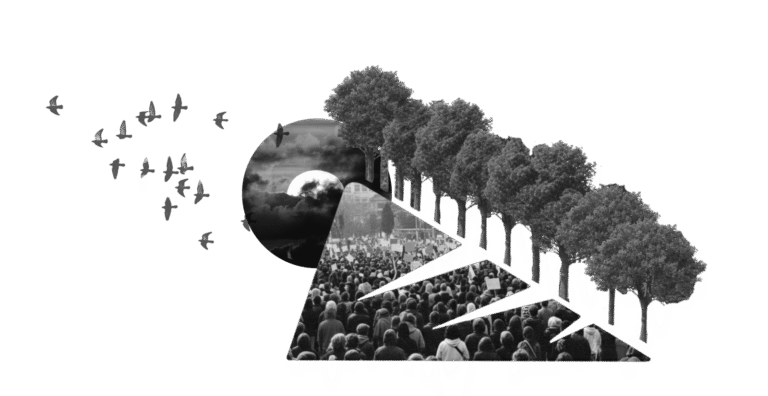
Conjured by Chilean president Salvador Allende in his final speech, the image of the alameda symbolises the passage to a better society. At a time when collective imagination is dominated by visions of catastrophe, the construction of alamedas is essential not only as a diversion from future threats, but also to sustain struggles for survival in the present.
Alameda was founded in 2023 to address the biggest challenge facing human societies today: the urgent need to divert from catastrophe. This challenge is international – it is produced through processes that transcend national borders, and therefore demands internationally coordinated responses.
We believe that the success of these responses will depend upon:
With an institutional presence in Brazil and the United Kingdom, Alameda works with an international network of researchers, intellectuals, activists, and practitioners across five continents. We explore the structural causes of catastrophic threats and their commensurate solutions, conducting research that compares and connects critical social problems globally. In doing so, we actively build alliances and foster solidarity across borders.
Alameda is particularly focused on promoting internationalism from the periphery, connecting ideas and experiences in the Global South to others in the North.
‘It is on the periphery of the international system that the material effects of these threats are already proliferating most rapidly – in the form of environmental disaster, conflict, and increasing precarity. And it is on the periphery that there is most experience in developing local responses that can inform and inspire international action’.
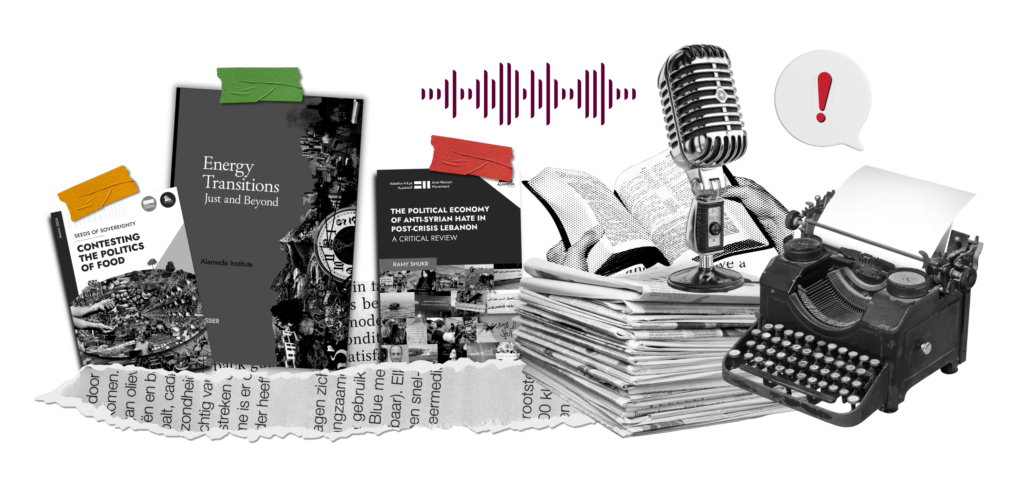
Developed by our network—often in collaboration with partner organisations—our research produces a wide range of outputs, from articles, reports, and books to podcasts, videos, and public events.
Engaging diverse audiences, this work contributes to new approaches in policy and political strategy, while helping to shape public debate.
We are currently working on four research areas and two flagship projects in collaboration with social movements, unions, and other civil-society organisations:
The processes, systems, and actors causing ecological collapse, and the political and policy programmes needed for a just transition.
The ideology and organisation of emerging political formations, and the opportunities and challenges they present for just transition.
The tendencies, inequalities, and contradictions of capitalism in the twenty-first century, not least as they manifest themselves through transformations in technology and the world of work.
Transformations in international relations, and their implications for contemporary forms of international solidarity, from climate alliances to humanitarianism to labour internationalism.
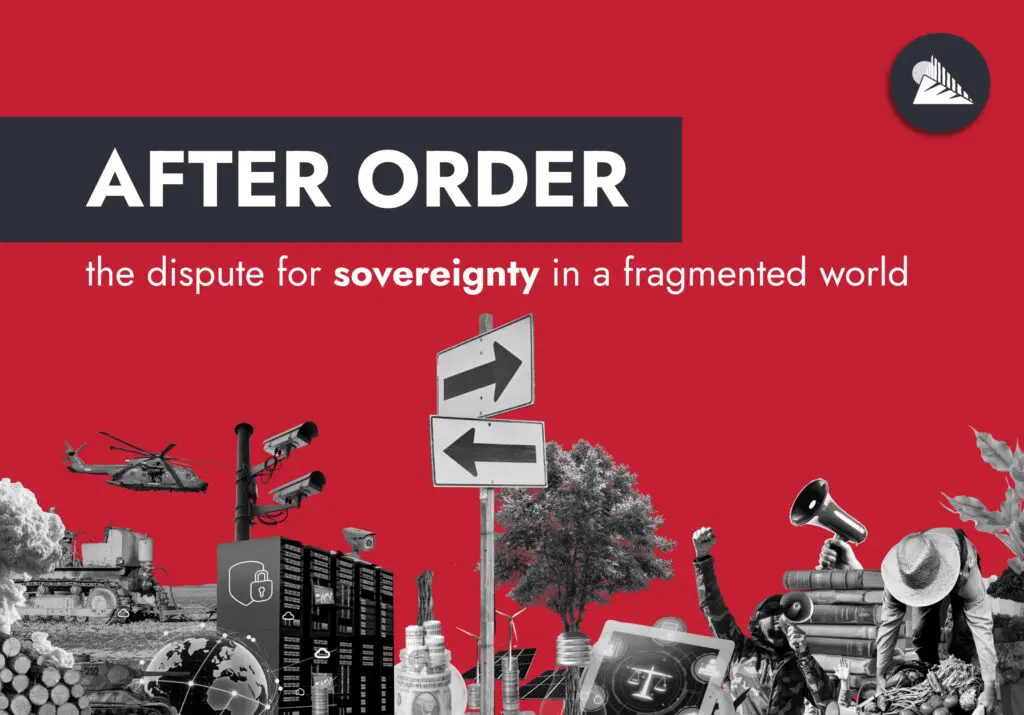
After Order examines changes in the exercise of power and sovereignty, and what they mean for the pursuit of collective freedoms.
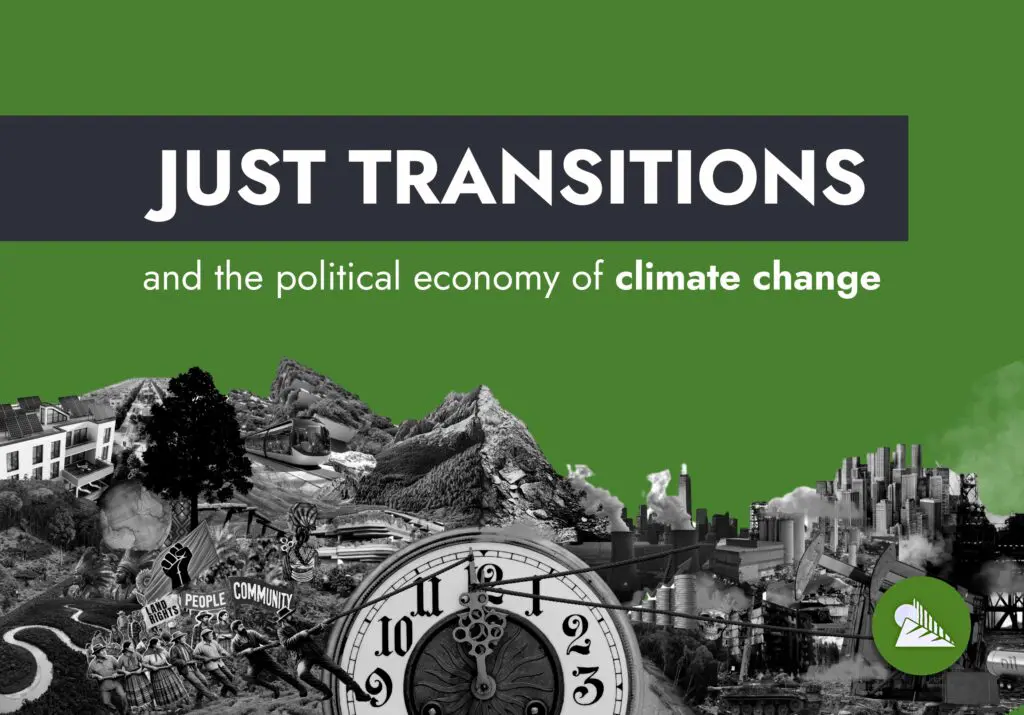
Just Transitions and the Political Economy of Climate Change explores structural challenges and opportunities for just transitions in energy and food systems.
We are grateful for the support of Open Society Foundations, Save the Children, the Disasters Emergency Committee, and The 128 Collective.
If you are interested in exploring a funding partnership or developing a joint initiative, we welcome the opportunity to connect.