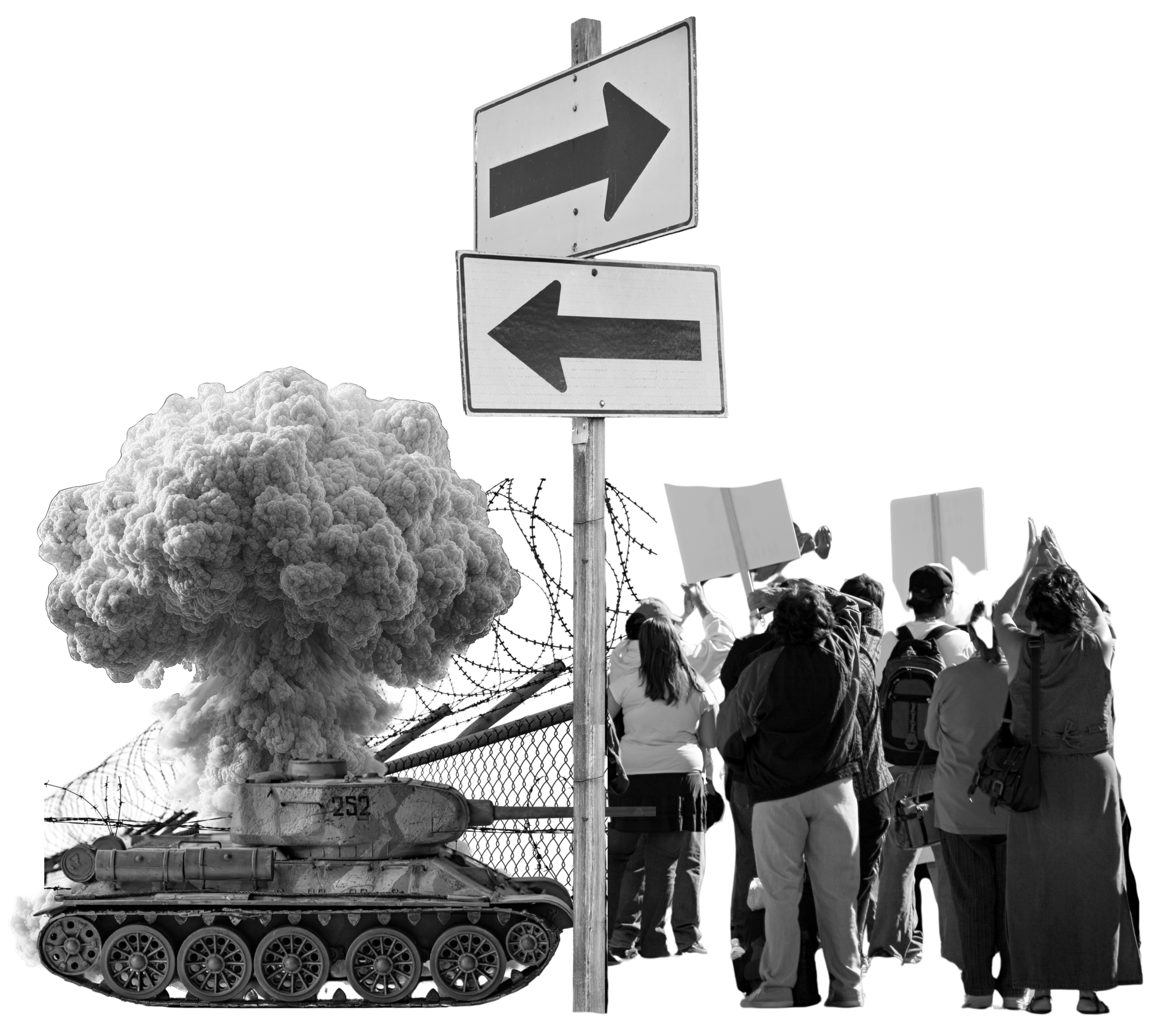
In a time of apparent disorder and instability, questions abound as to where power is located. Who is in control? Who makes decisions on the big issues that affect people’s lives?
And so the concept of sovereignty, widely presumed to have been exhausted by globalisation, is now again central to discussions about our present and future. Analysing how sovereignty is exercised today, amid political, social, and economic fragmentation, can provide valuable insights into the new possibilities these transformations entail.
About Alameda's After Order Project
Questioning the assumption that we are now in an interregnum, a temporary period between stable orders, Alameda’s ‘After Order’ research project considers the possibility that we have entered a time of more frequent crisis – a time after stable orders.
Through dialogue, and critical engagement, this collaborative research initiative explores the dispersion of claims to sovereignty, the disputes these claims have produced, and the implications for efforts to build new pathways – alamedas – to a better society.
A Collective, Global Project
Alameda brings together a diverse community, public intellectuals, practitioners and activists across five continents. Through this collective, we aim to shape and disseminate critical debates on sovereignty, addressing the most pressing challenges of our time. Through research and media, partnering with social organisations, After Order connects local knowledge and organising to internationalist endeavours.
Key questions that After Order explores:
How is sovereignty being exercised, and reconfigured, in inter-state relations, as well as within nation-states?
What is the significance of the increasing prevalence of non-state actors wielding sovereign powers?
What might the contemporary exercise of sovereignty tell us about the kinds of political and economic regimes that are likely to be established in the coming years?
What is the relationship between technological transformations and changes in sovereign power?
What does the transformation of sovereignty in today's world mean for efforts to build popular power?
“As the neoliberal order has frayed, so too have the institutions that once anchored political authority. Sovereign powers are now exercised by states, corporations, armed groups, and other actors — forcing us to rethink what sovereignty means, and who it is really for.”
– Anna Raposo de Mello, After Order Project Coordinator
After Order Research Streams
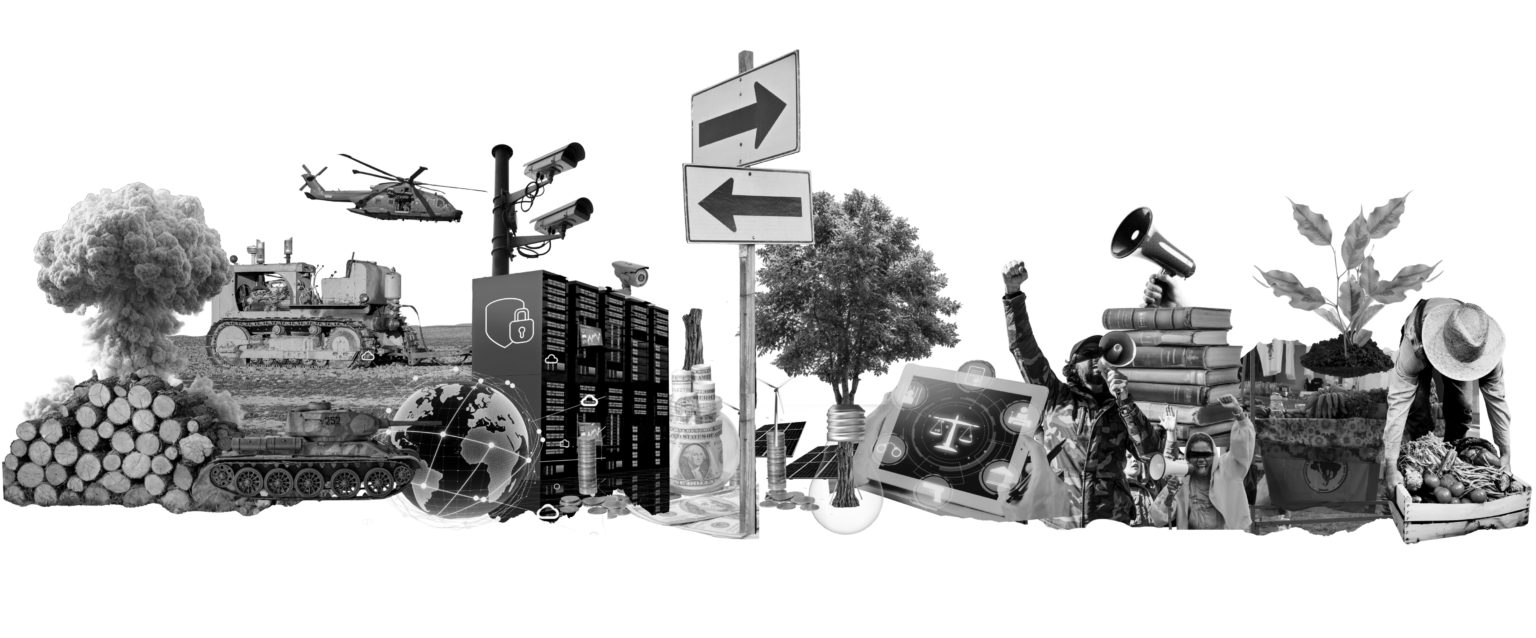
After Order is organised around five interconnected research streams. Together, these research streams explore how sovereignty is being transformed:
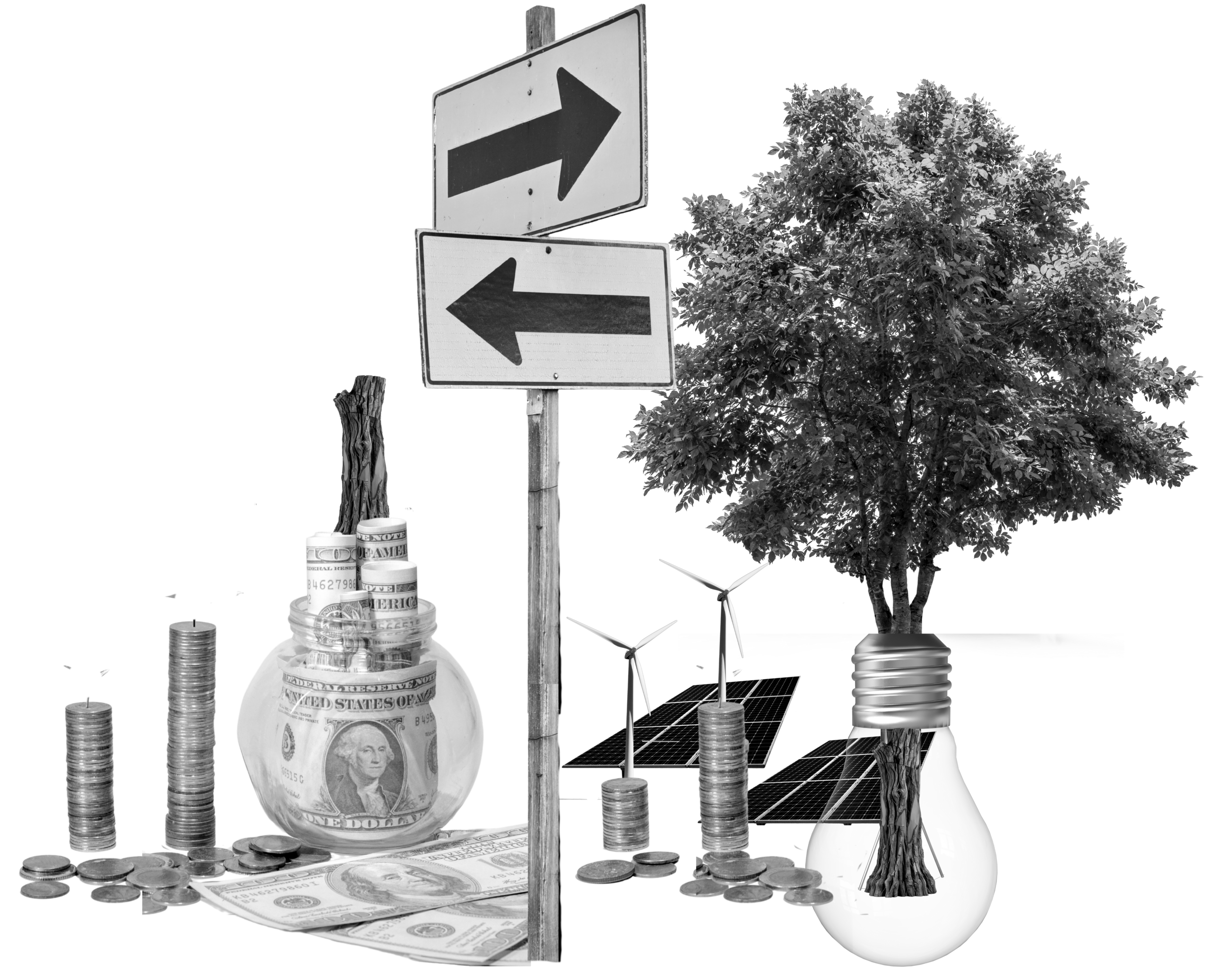
SOVEREIGNTY BEYOND NEOLIBERALISM
Explores how changes in political economy affect the exercise of sovereignty, and considers alternatives to neoliberalism that enable more just transitions.
Addresses the rise of big tech firms, how they reshape authority, and how their growing power is contested, including by movements seeking popular control over digital infrastructure, data, and governance.
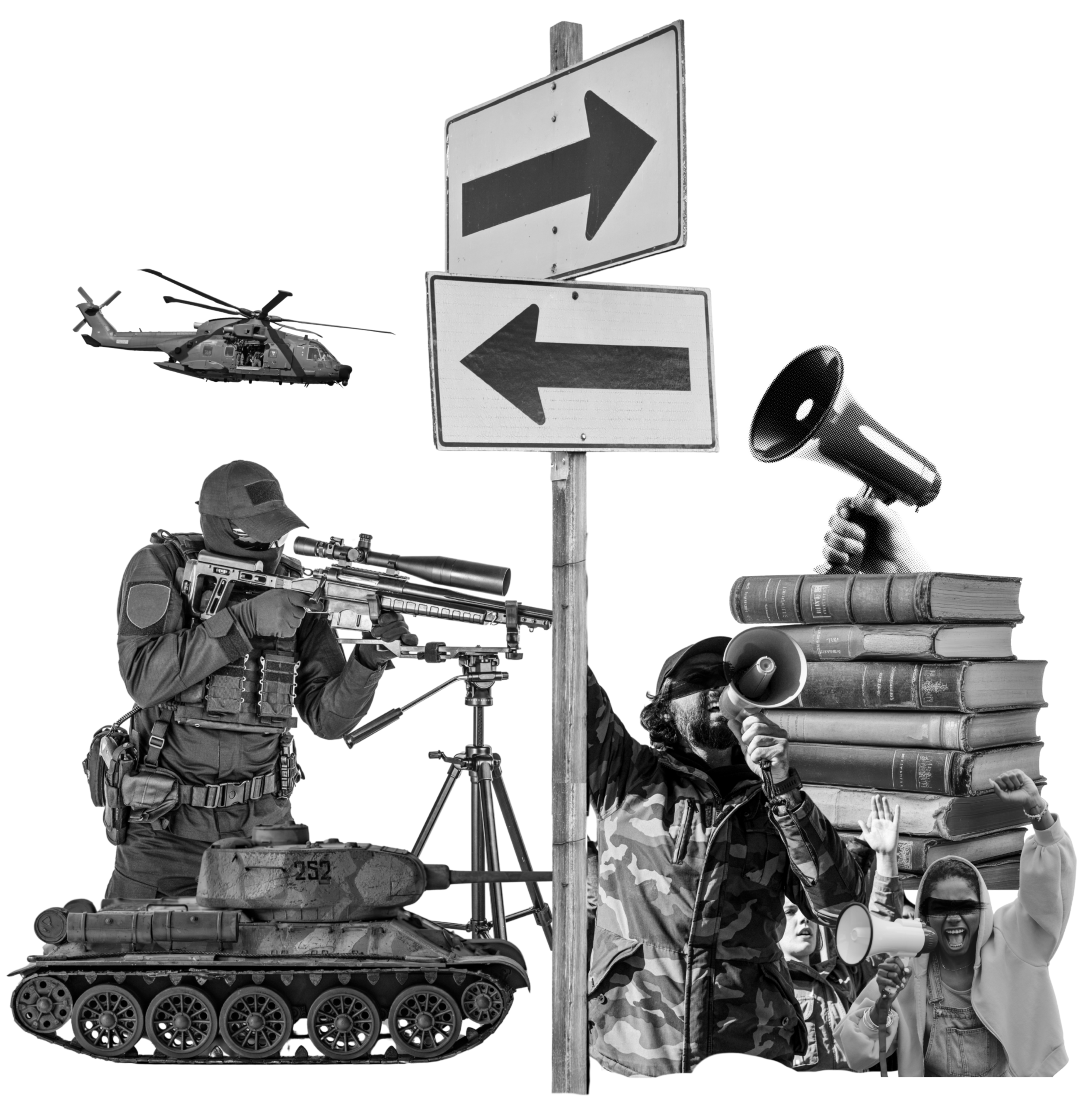
FRAGMENTED SOVEREIGNTIES AND THE POLITICS OF DISORDER
Examines the rise of an authoritarian politics of disorder and its relation to the distribution of sovereign powers to illicit traffickers and other criminal organisations, parastate militias and mercenary groups.
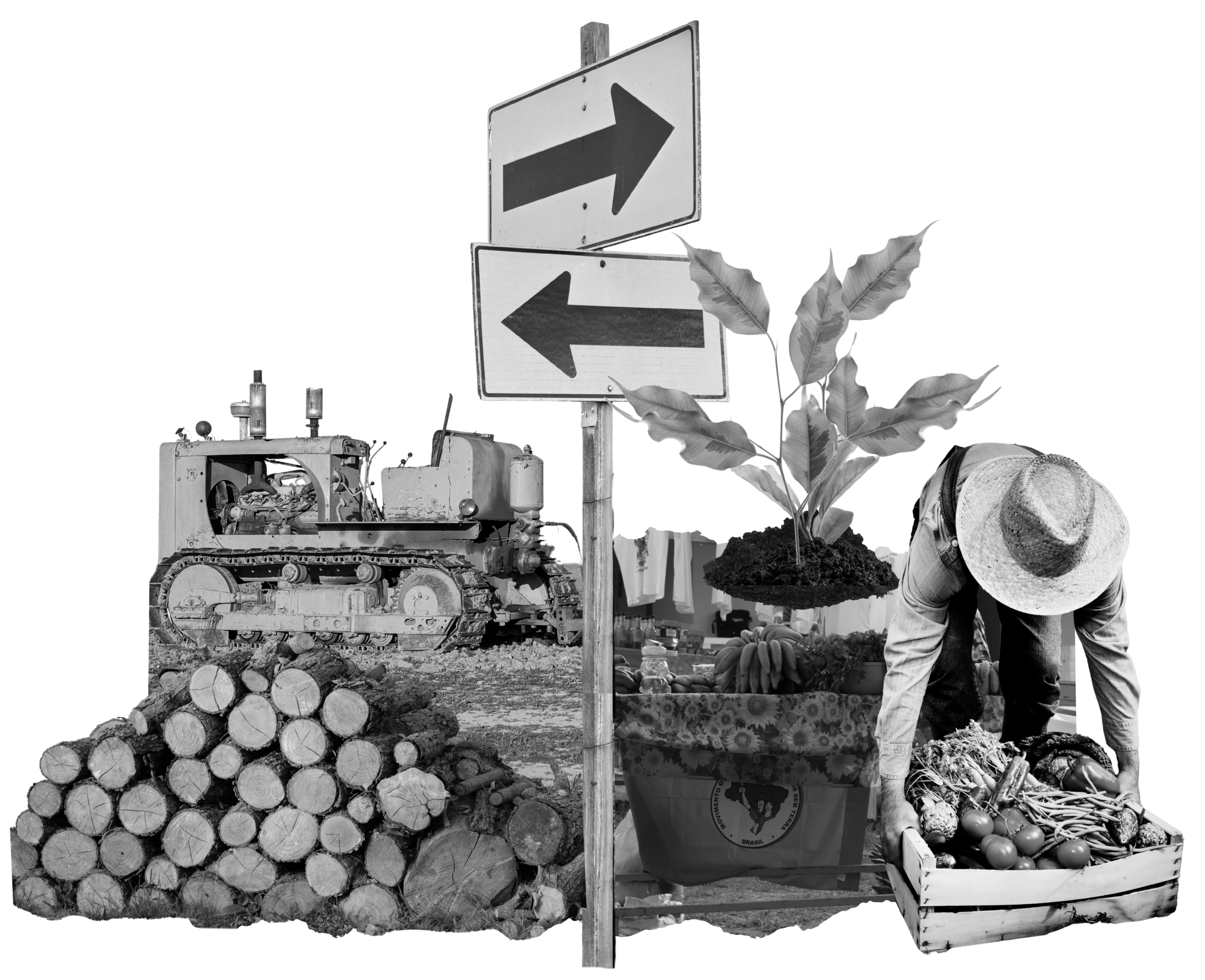
Engages with social movements, particularly in Brazil, to understand and learn from their autonomous efforts to achieve food, energy, and water sovereignty.
Focuses on states and communities whose sovereignty is constrained, denied, or undermined by trade, finance, and war, as well as systems of colonial and racial domination.



 English (UK)
  Português do Brasil