
Україна: війна, зміна клімату та обмеження гуманітарної системи

by Andrii Bahinskyi and Nina Potarska

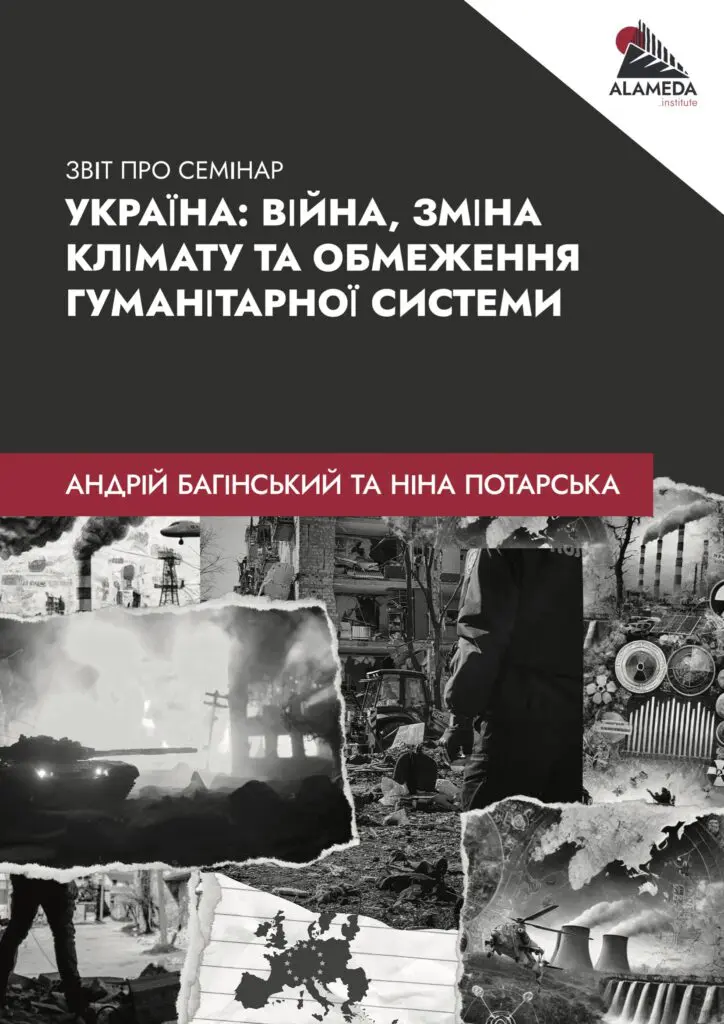
Війна в Україні спричинила глибоку гуманітарну та екологічну кризу, оголивши глибокий взаємозв’язок між збройним конфліктом, руйнуванням довкілля та глобальною продовольчою безпекою. У своєму останньому звіті Андрій Багінський та Ніна Потарська аналізують, як спричинені війною викиди CO₂, руйнування екосистем та порушення критично важливого сільськогосподарського виробництва створили нові фактори вразливості, що впливають на мільйони людей в Україні та за її межами. Дослідження також критикує жорсткі структури міжнародної гуманітарної допомоги, яка часто надходить із готовими рішеннями, що не можуть бути адаптовані до реалій на місцях.

Ця публікація є частиною проекту Інституту Аламеда «Межі гуманізму: Політика, криза та реформи в епоху зміни клімату». На прикладі України ми підкреслюємо нагальну потребу переосмислення гуманітарного реагування в епоху, коли кризи все більше формуються під впливом кліматичних змін і політичної нестабільності. Як гуманітарні системи можуть вийти за межі застарілих моделей і стати більш оперативними, орієнтованими на місцеві потреби та враховувати кліматичні зміни? Ознайомтеся зі звітом і долучайтеся до дискусії.


Andrii Bahinskyi-Nina Potarska

Andrii Bahinskyi and Nina Potarska

Andrii Bahinskyi is Associate Professor at Igor Sikorsky KPI Sociology Department (Kyiv, Ukraine) and coordinator of the master's program "Conflict Resolution and Mediation". As part of the project supported by the embassies of Great Britain and Switzerland in Ukraine, he is one of the developers of the first master's program in Ukraine, which trains specialists in the field of resolution of socio-political conflicts. Bahinskyi explores liberal peacebuilding from a global perspective. His research focuses on finding strategic solutions to resolve armed conflicts.

Nina Potarska is a gender expert on peacebuilding and conflict resolution. Since 2016, she has been the national coordinator of the International Women's League for Peace and Freedom in Ukraine. As part of her activities, she monitors the needs and observance of the rights of women living near the contact line, gender-based violence and conflict-related violence, gender-inclusive mediation in conflicts, and prepares reports on the observance of women's rights in the UN system. Since 2013, she has been the director of the Center for Social and Labor Research, and since 2015, she has been researching topics related to the war in Ukraine. She collects narratives and conducts research on both sides of the contact line. Nina is a research fellow at Alameda.

RELATED ARTICLES

Who Really Runs Brazil?

As the state fragments, Lula’s assertions of national sovereignty have exposed the limits of his government’s power, writes Juliano Fiori. ___ This article, ‘Brazil’s sovereignty’ was published in New Internationalist. July 2, 2026 ___ ‘We cannot be scared, nervous and…

Is Burnhamism about restoring sovereignty?

This article is published in full in The New Statesman and is part of Alameda’s After Order project June 25, 2026 Beneath the slogans and nicknames, Burnham is promising a radical, regionalist agenda If you wanted to design a drinking…

About Alameda Institute

June 17, 2026 Alameda is an international institute established in response to the catastrophic threats facing humanity today, including ecological collapse, large-scale war, and deepening social and economic disintegration. Working with an international network of researchers, intellectuals, activists, practitioners, and…