AFTER ORDER PODCAST____________________

Exploring sovereignty and political economy in a world after order

ABOUT THE PODCAST_______

After Order is a new series from Alameda, created in collaboration with Macrodose. In line with Alameda’s After Order research project, this series explores a world no longer defined by stable systems, but by ongoing crises. Rather than living between orders, we may already be in a time after order, where power is fragmented, contested, and constantly shifting. From rising authoritarian movements and new wars to the growing influence of tech giants and non-state actors, today’s global landscape is increasingly unstable. Through conversations with leading thinkers from around the world, After Order asks: where does sovereignty lie in an age of disorder, and what new pathways might lead us toward something better? Across seven episodes, the podcast explores themes including the decline of American hegemony, digital sovereignty, energy geopolitics, and emerging forms of popular power.

Podcast Host

_________

Captura de pantalla 2026-03-31 085107

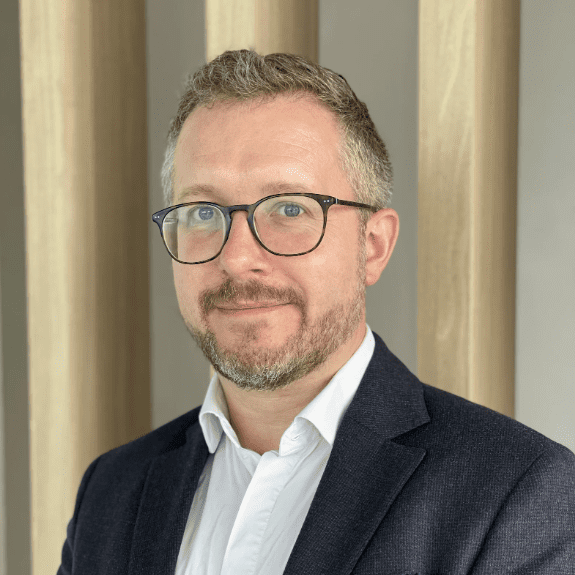
James Meadway

James Meadway is an economist whose work is focused on developing a socially just economics for the Anthropocene. He was previously director of the Progressive Economy Forum, chief economist at the New Economics Foundation, and economic advisor to the Shadow Chancellor from 2015-18. He is the host of the weekly Macrodose podcast, and his most recent book, The Cost of Living Crisis (and How to Get Out of It), is out now from Verso.
The After Order Series_______

Across seven episodes, the podcast explores themes including the decline of American hegemony, digital sovereignty, energy geopolitics, and emerging forms of popular power.

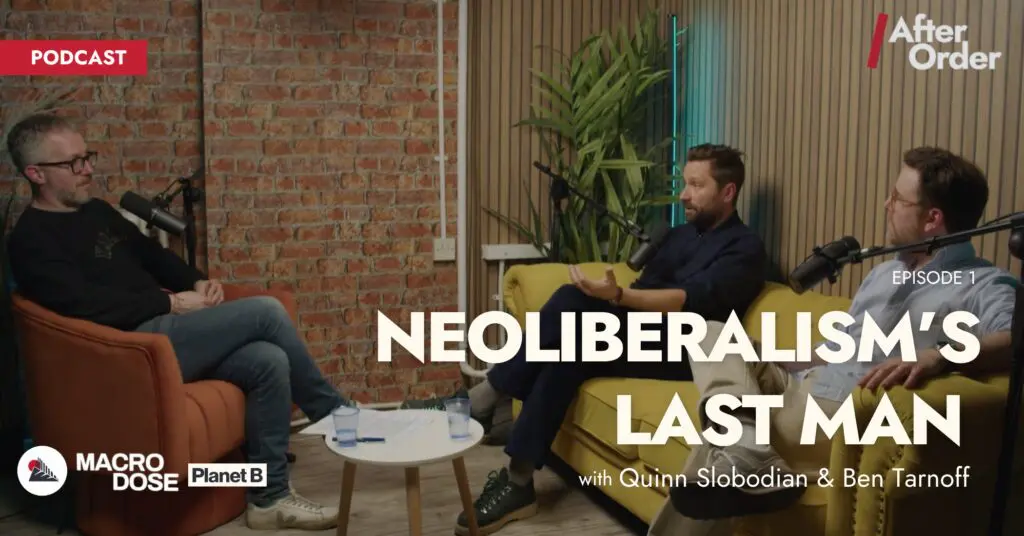
EPISODE 1:

Neoliberalism's Last Man

02/04/2026

In our first episode, James meets Alameda associate Quinn Slobodian and technology writer Ben Tarnoff to discuss their new book, Muskism: A Guide for the Perplexed. Using Elon Musk as a lens, Quinn and Ben unpack what they call Muskism – a new political-economic logic emerging out of the ashes of neoliberalism, and one that might – just as Fordism did a century earlier – provide a roadmap to the ideological terrain of our present moment. If the neoliberal era is coming to an end, can Muskism help us interpret the ensuing disorder? And what, if anything, can be done to push back against it?

EPISODE 2:

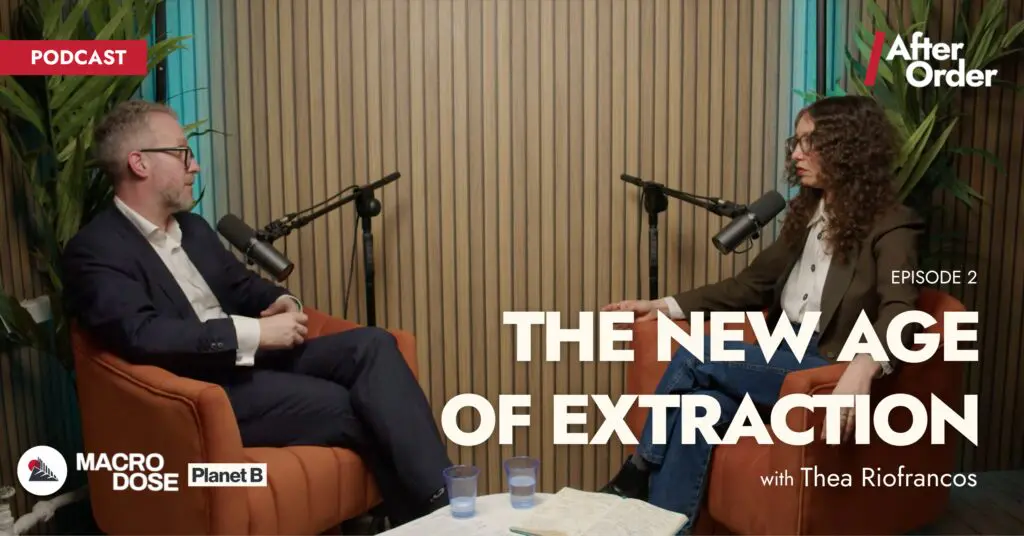
The New Age of Extraction

09/04/2026

In our second episode, James meets with political scientist and Alameda associate Thea Riofrancos to discuss her recent book Extraction: The Frontiers of Green Capitalism.

Moving from the ideological terrain of Muskism to the material foundations of today’s global economy, the conversation explores how the race to decarbonise is reshaping patterns of power, inequality and sovereignty. As demand for critical minerals like lithium surges, new frontiers are opening along with new choke points, and green capitalism is redefining the exploitative dynamics of the fossil-fuel age.

What kind of political economy is emerging through this moment of transition – and what does it tell us about the disordered afterlives of the neoliberal world?

EPISODE 3:

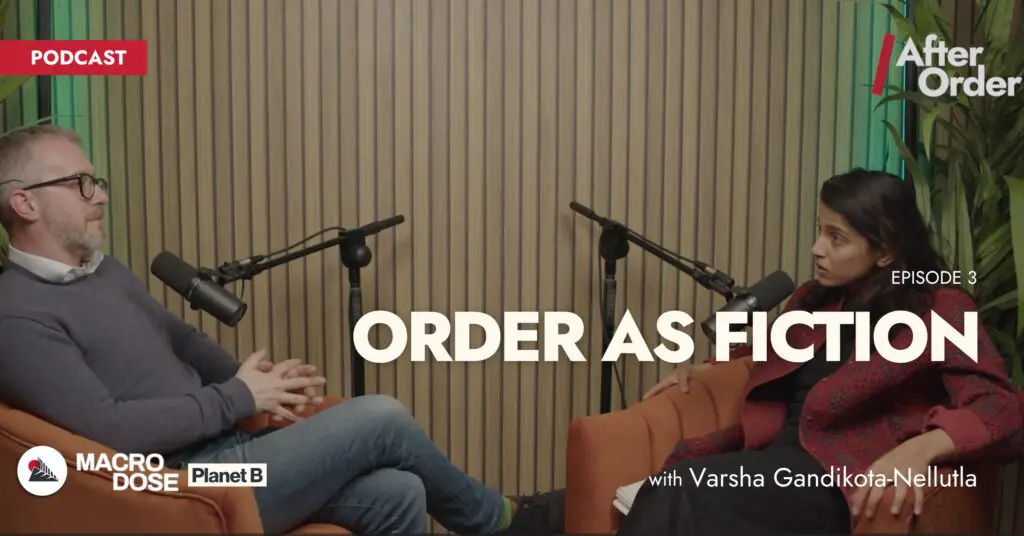
Order As Fiction

16/04/2026

In our third episode, James meets with Alameda associate, and Co-General Coordinator of the Progressive International and Executive-Secretary of the Hague Group, Varsha Gandikota-Nellutla, to explore what used to be called the “rules-based international order”, and the emergence of new forms of global resistance.

Through a wide-ranging conversation spanning Gaza, Iran, Latin America, and beyond, the episode examines what Varsha describes as the collapse of empire’s “legal fiction” – the notion that global order was ever governed by neutral rules rather than power. As that fiction unravels, we are witnessing the return of overt coercion, territorial aggression, and the open defiance of international law by powerful states in the Global North.

But alongside this rupture, new alignments are taking shape. From the work of the Hague Group to growing solidarity among Global South nations, the conversation asks whether a different kind of sovereignty – and a genuinely decolonial internationalism – can emerge from the cracks of disorder.

If the old order was always a veneer, what replaces it as it falls away – and what possibilities exist for building something new in a world After Order?

EPISODE 4:

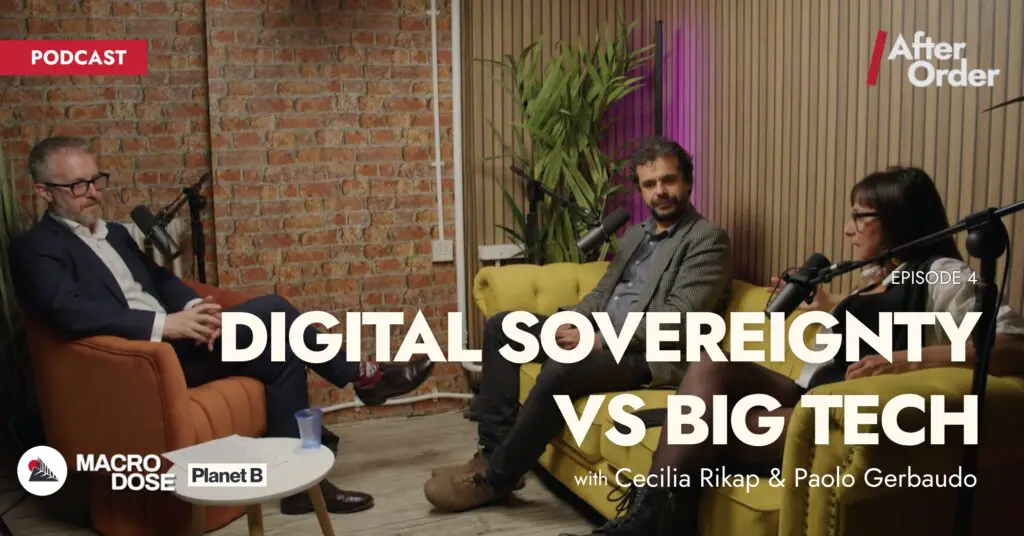
Digital Sovereignty vs Big Tech

23/04/2026

In our forth episode, James meets Cecilia Rikap and Paolo Gerbaudo. Cecilia is Professor of Economics and Head of Research at the Institute for Innovation and Public Purpose at University College London. Paolo is Senior Researcher at the Faculty of Political Science and Sociology at the Complutense University of Madrid, and author of The Great Recoil: Politics after Populism and Pandemic.

In this week’s episode, we turn to Digital Sovereignty in the age of Big Tech. What does it mean that the infrastructures underpinning our everyday lives – from search and cloud computing to communication and logistics – are owned and controlled by a tiny handful of Silicon Valley elites? What does that concentration of power mean for democracy, for states, and for the possibility of political autonomy in the digital age? And what, if anything, can we do about it?

EPISODE 5:

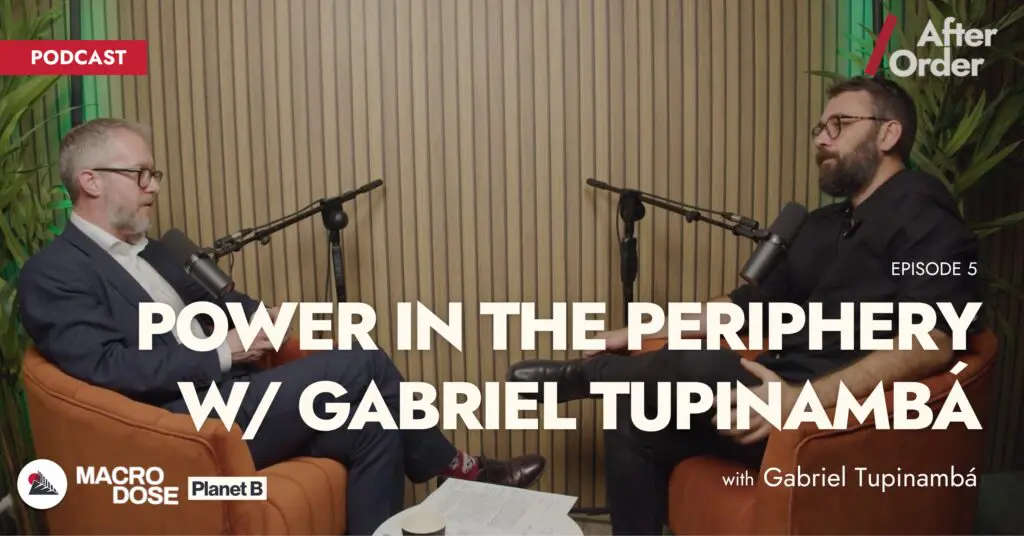
Power in the Periphery

30/04/2026

In our fifth episode, James meets Gabriel Tupinambá, Senior Researcher at Alameda. In an upcoming paper titled ‘Popular Sovereignties Under Peripheral Conditions’, Gabriel looks to social movements, especially those in Brazil, to understand how communities are attempting to reclaim sovereignty on new terms. In this week’s episode, we’re turning to the concept of Popular Sovereignty. At a moment when the old order is breaking down – when states are less able to guarantee rights, stability, or even the basic conditions of life – what does it mean for movements, communities, and working people to build power for themselves?

EPISODE 6:

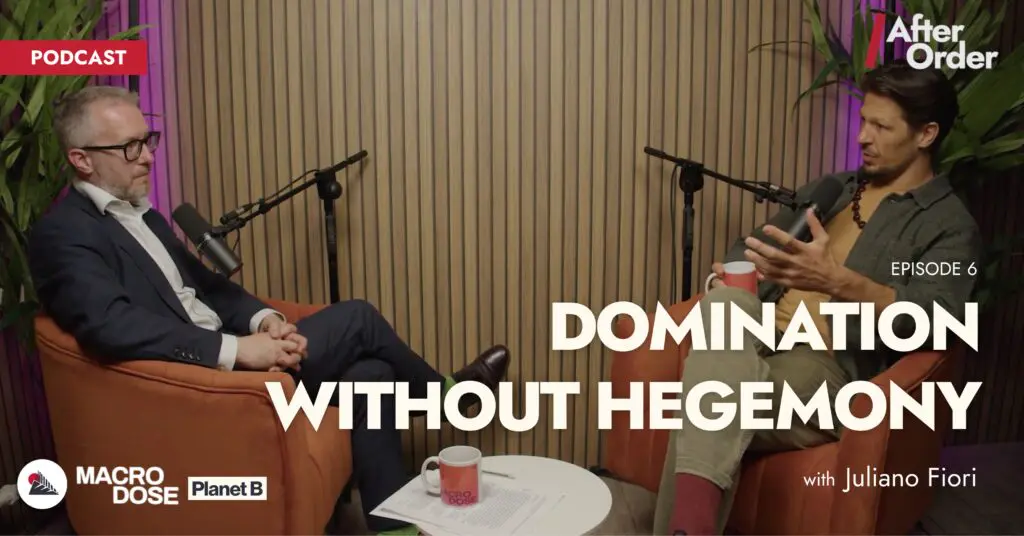
Domination Without Hegemony

07/05/2026

In our sixth episode, James meets Juliano Fiori, to look back at the series so far, and discuss its core premise: that we’re not living through what Antonio Gramsci called an “interregnum” – a moment where the old world is dying and the new struggles to be born. Instead, that our world is now one of sustained disorder The materiality of what we once called “order” is coming to an end. So what, if anything, comes next? The continued rise of China? A patchwork of competing regional powers? And a world defined by domination without hegemony?

Next episode: 14/05

Most guests and the host are either Alameda Associates or members of staff.

CREDITS_____

A Macrodose production in collaboration with Alameda.

Produced by Freddie Stuart.