What happens when the idea of a “rules-based international order” begins to unravel?
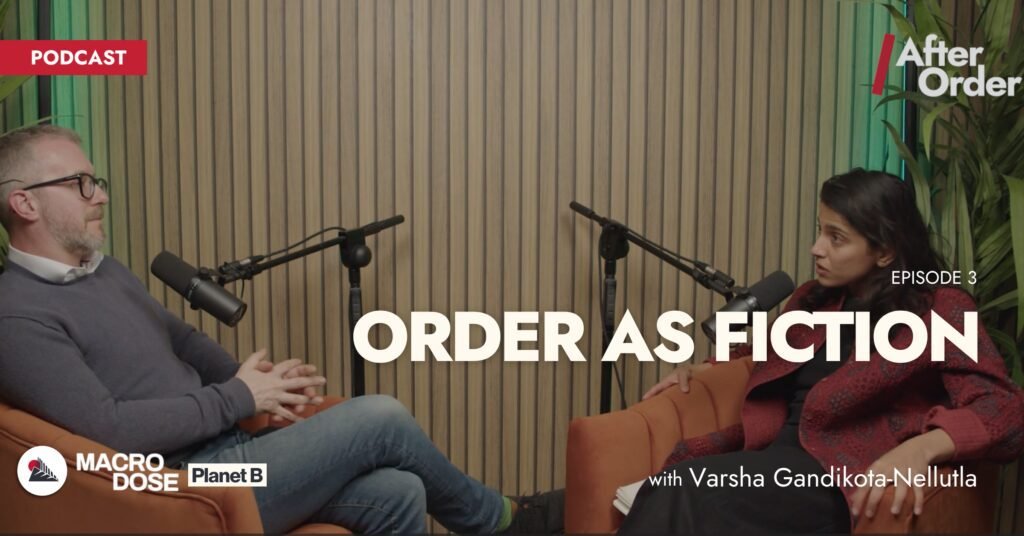
In the latest episode of After Order — a podcast series from Alameda, in collaboration with Macrodose — the focus turns to the fractures shaping global power today, and the possibilities that might emerge.
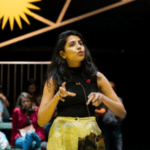
Host James Meadway is joined by Varsha Gandikota-Nellutla — political strategist, activist, Co-General Coordinator of Progressive International and Executive Secretary of The Hague Group — to explore what it might mean to build a form of internationalism rooted in the Global South.
Drawing on examples from Honduras, Ecuador and Gaza, the conversation considers how contemporary crises are not isolated events but expressions of deeper structures — where law, empire and capital intersect. From investor–state disputes to authoritarian crackdowns and the ongoing devastation in Palestine, the contradictions of the so-called ‘rules-based’ system are increasingly difficult to ignore.
As Varsha argues, this ‘order’ was always a fiction. It functioned as a veneer — obscuring the coercion, extraction and inequality that have long underpinned global capitalism.
This raises a broader question: as the fiction of order is exposed, what forms of power are emerging? And what new forms of solidarity and coordination might take shape alongside them?
In a moment marked by the brazen use of force and the erosion of international institutions, the stakes of rethinking sovereignty and internationalism itself are difficult to overstate.
You can listen on Spotify or watch on YouTube.
 English (UK)
  Português do Brasil