This article is published in full in The New Statesman and is part of Alameda’s After Order project
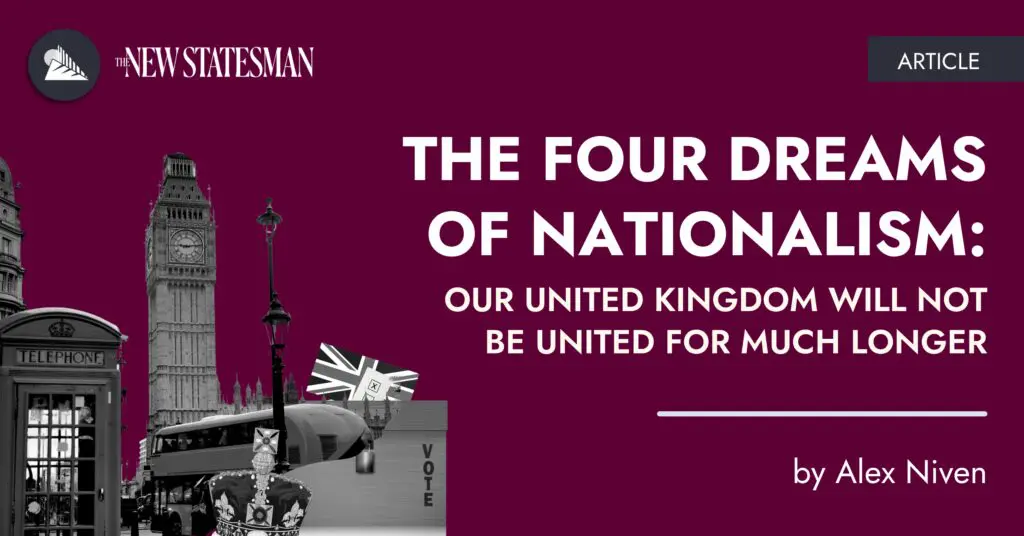
May 2026 will be defined by nationalism
Nationalism, we are told, defines our age. At any rate, it seems likely to have defined these May elections. In Scotland, there is a strong possibility – at the time of writing – that the Scottish National Party will emerge with a majority in the Holyrood parliament for the first time since 2011. Reform surged in popularity ahead of the Senedd elections, but Plaid Cymru looks like it will be the dominant force in Wales, one way or another. If we include Sinn Féin’s sway over the Northern Ireland Assembly, then the United Kingdom may be confronted with the heady prospect of the three devolved governments being controlled by – or at least challenged by – explicitly anti-unionist parties for the first time.
These parties are moving in parallel, if not quite in alliance: the SNP First Minister, John Swinney, said on 22 April that he would “enjoy the cooperation” with Plaid and Sinn Féin should his party win. “I think the UK would be changed irreversibly if that outcome was to be the case,” Swinney said. Meanwhile, in England – the historical motherland of British unionism – there is a contrasting blend of ambiguity and rancour about the whole question of nationhood. This may well be the age of the lamp-post flagpole and the performative patriot. But at a fundamental level there is widespread confusion over matters of constitution and English identity.
→ Subscribe to read the full piece Britain is still breaking up May 2026 will be defined by nationalism, published by The New Statesman.

 English (UK)
  Português do Brasil