

Felipe Eugênio
ADMINISTRADOR - BRASIL
Felipe Eugênio is a historian, essayist, and literary editor. Since 2009, he has been a Researcher in the Social Cooperation Section of the Oswaldo Cruz Foundation (Rio de Janeiro), where, in collaboration with social movements, he coordinates activities to promote public health, art and culture, as well as the democratic governance of favelas. Between 2005 and 2011, he was involved in popular education in the favela of Manguinhos, as both a teacher and pedagogical coordinator. Working with the Educação de Jovens programme e Adultos programme and then with the Escola Nacional Florestan Fernandes, he supervised final projects of members of the Landless Workers’ Movement. He is the founder and coordinator of the Periferia Brasileira de Letras (Brazilian Periphery of Letters), a network of literary collectives on the peripheries of eight Brazilian state capitals, which produces research and actions to enhance the ‘territorialisation’ of public policy. He is the editor of Bando Editorial Favelofágico, for which he coordinates residencies for working-class writers, whose writing explores different forms of political insurgency.
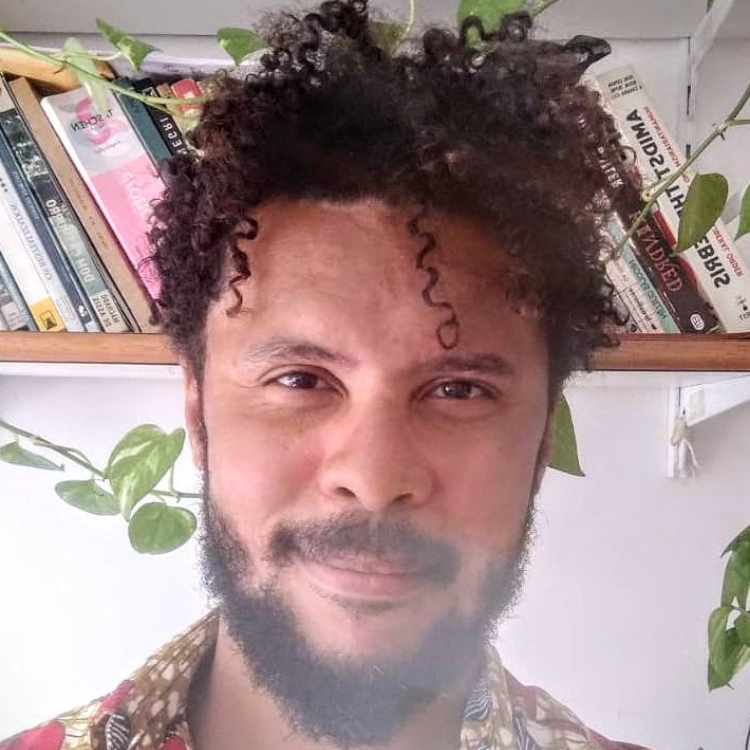
Felipe Eugênio
ADMINISTRADOR - BRASIL
Felipe Eugênio is a historian, essayist, and literary editor. Since 2009, he has been a Researcher in the Social Cooperation Section of the Oswaldo Cruz Foundation (Rio de Janeiro), where, in collaboration with social movements, he coordinates activities to promote public health, art and culture, as well as the democratic governance of favelas. Between 2005 and 2011, he was involved in popular education in the favela of Manguinhos, as both a teacher and pedagogical coordinator. Working with the Educação de Jovens programme e Adultos programme and then with the Escola Nacional Florestan Fernandes, he supervised final projects of members of the Landless Workers’ Movement. He is the founder and coordinator of the Periferia Brasileira de Letras (Brazilian Periphery of Letters), a network of literary collectives on the peripheries of eight Brazilian state capitals, which produces research and actions to enhance the ‘territorialisation’ of public policy. He is the editor of Bando Editorial Favelofágico, for which he coordinates residencies for working-class writers, whose writing explores different forms of political insurgency.
 English (UK)
  Português do Brasil